Off grid camping adventures with a stoma
20th May 2026
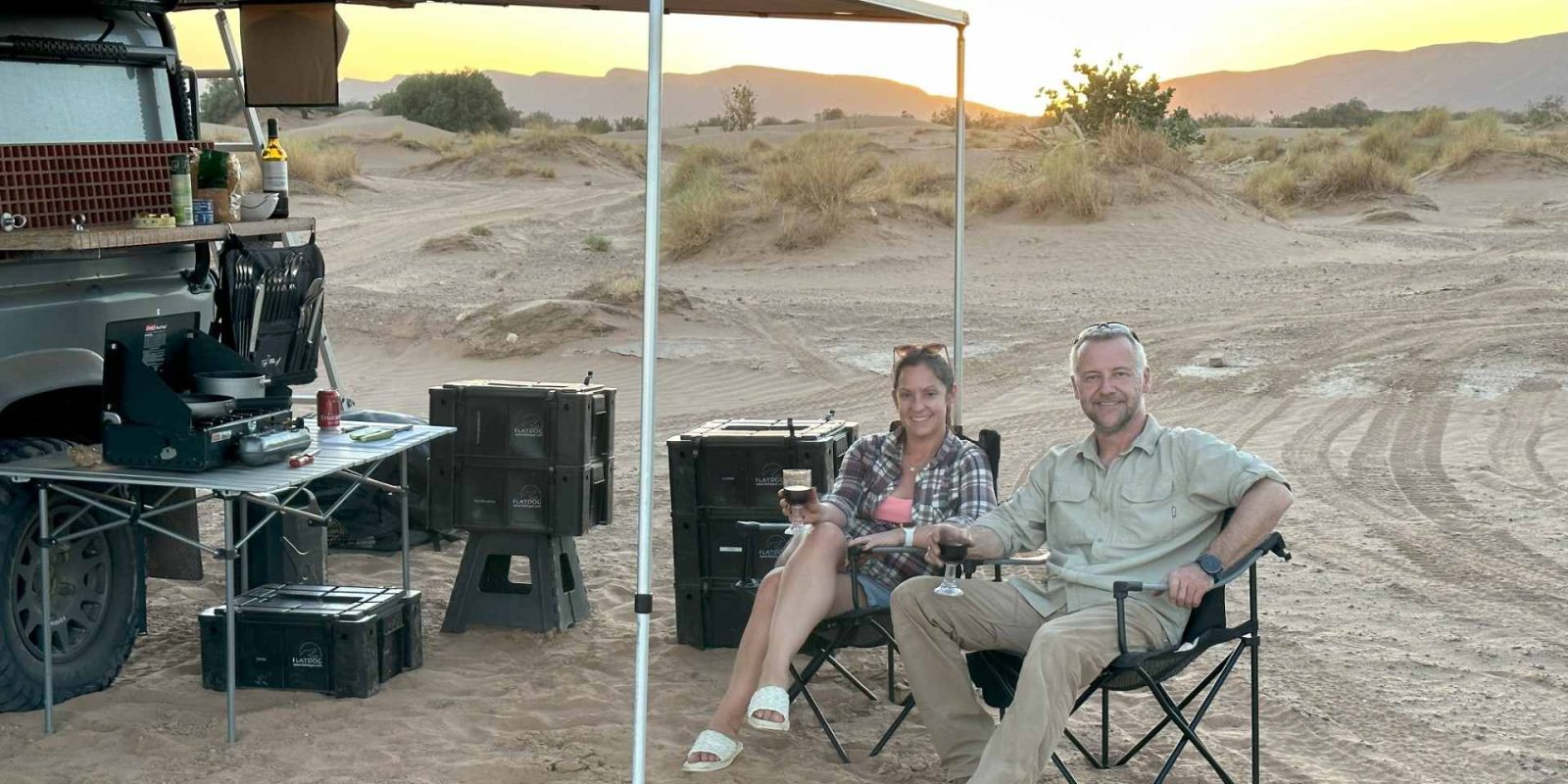
Adventurer, geologist and ostomate James Whitford and his trusty Land Rover expect the unexpected at every turn of their epic road trips. Following recent travels across Africa, James answers our questions on managing stoma life off grid.
Q. When you’re preparing for a remote camping trip, especially somewhere hot or rugged, what extra things do you find yourself thinking about because of your ileostomy?
My big concern is hydration. I always drink at least 2 litres a day, three if it’s a hot climate and usually with a hydration mix in the water, such as Science in Sport (SiS) Hydro Electrolyte Tablets.
Q. What are your absolute must-haves when it comes to stoma supplies for your camping trips?
Extra wipes and adhesive removers. I always seem to use more than I expect to, which is why I tend to double up on my stoma supplies.
Q. When you’re miles away from proper facilities, how do you manage day-to-day things like emptying or changing your bag? Have you found any routines that make it easier?
I tend to eat less fibre so my output is a little less. We try to eat our evening meal as early as we can, 5-6pm, so that I have chance to empty my bag before bed (to save me getting up in the night). In remote areas, it’s the same as before I had a bag. I take a spade and loo roll then wander off into the bushes or behind a sand dune.
To some extent I find it easier these days as I don’t have to sit down on a toilet, and can empty my bag standing or crouched. Towns and villages are harder as the facilities tend to be very basic. But I generally have a small amount of loo roll in my pocket all the time in case the toilets don’t have any. But to some extent it’s the same for everyone!
Q. Have you ever had one of those “uh-oh” moments with your stoma while you were out in the wild? What happened, and how did you deal with it at the time?
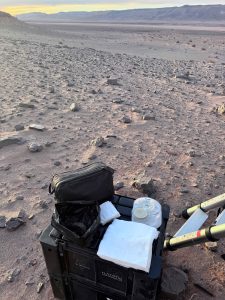
I’ve had my stoma so long now I can tell before I get a leak. I tend to get a type of itching and discomfort that I recognise as a leak starting. If I need to do an unplanned bag change, I have a collapsible bowl that I keep handy in the car and a small pack of spares readily available. I can be very discreet stood at the back of the car with my back to everyone with all my supplies laid out in the boot. I’ve found I can clean and change my bag with only a cup full of water. I usually have a two-litre bottle of clean water to hand just in case anyway.
Q. Are there any bits of kit, little tricks, or workarounds you’ve picked up over time that really make a difference when you’re camping?
For me it’s preparing everything before I start my bag change, and I have a couple of everything to hand in case the first change doesn’t go as planned. I take my time and try not to rush so I know I’ve got a good change / adhesion of the bag.
Q. What about food while you’re camping – anything you have to be particularly careful about because of your stoma?
As long as I stay hydrated most foods are okay. In the evenings I try to eat less veg and fibre and more protein and carbs as this reduces my output overnight.
Q. For people who might be feeling a bit nervous about camping with an ileostomy, what would you say to them? Is there a good way to ease into it?
I started with local campsites, so I wasn’t too far away from home and only stayed one or two nights at first. I used the disabled toilets for bag changes. Even then not being at home in a familiar environment felt scary. Then I progressed to changing my bag in the tent (my tent was big enough to stand up in) with a bowl with warm water from the stove and all my stuff laid out on a table ready.
Initially, for me, even changing my bag at friends’ houses when I stayed overnight felt scary. So I just built up over time, one step at a time.