
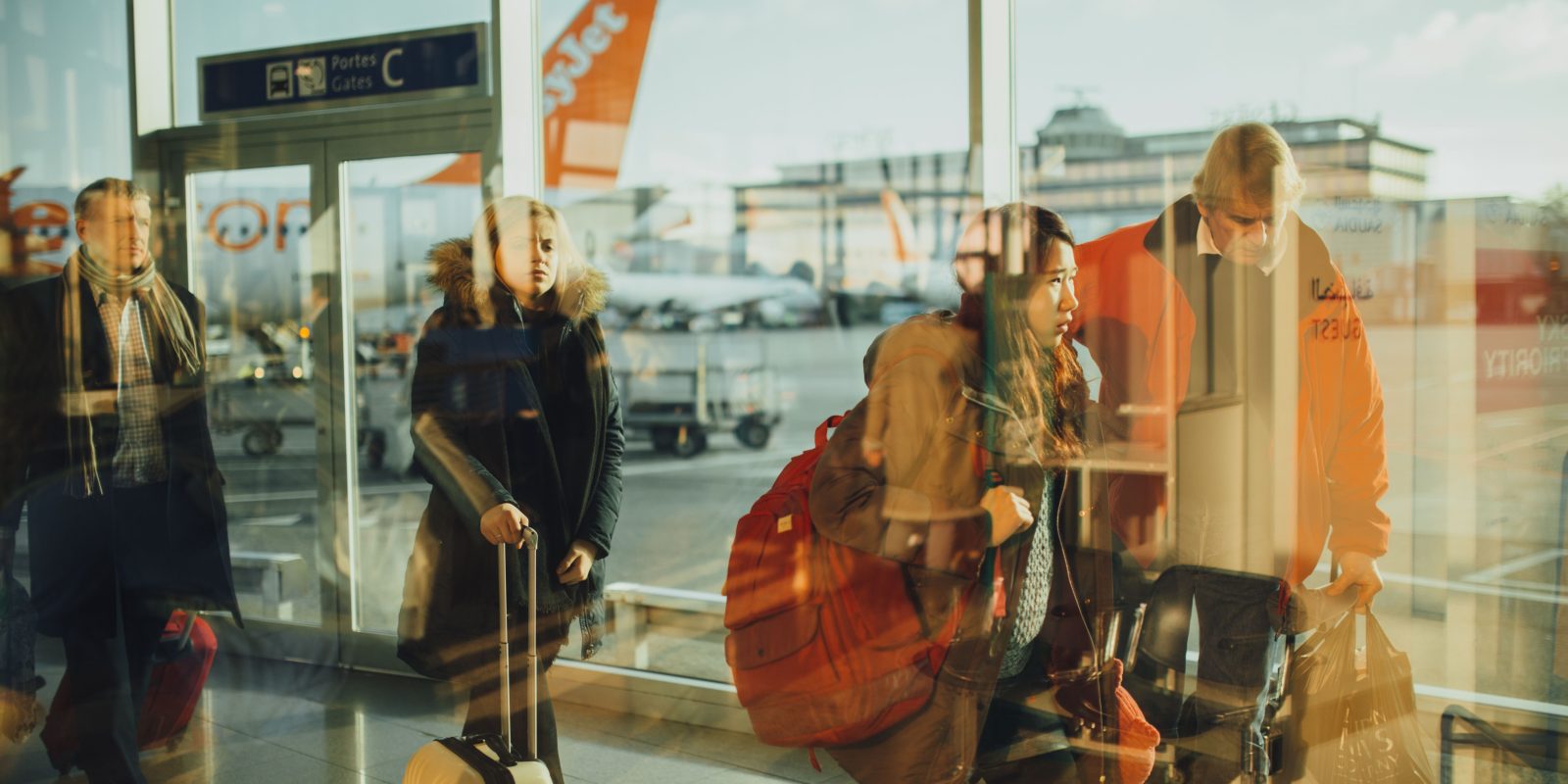

Having a stoma or internal pouch shouldn’t stop you travelling. Whether you’re planning a weekend away, a business trip or a holiday abroad, a little preparation can help you travel with confidence.
Plan Before You Go
Good preparation can help reduce stress and make travelling easier.
Our Travel Checklist covers:
- Packing enough supplies and medication
- Managing meals and hydration
- Planning for delays and emergencies
- Travel insurance considerations
- Airport security guidance
- Accessing help while you’re away
Airport Security and Screening
Most airports regularly support passengers travelling with a stoma, internal pouch and medical supplies. Essential supplies and medication are generally permitted in hand luggage, although it’s always worth checking the latest guidance from your airline and airport before you travel.
If you have concerns about security screening, speak to a member of the security team before entering the screening area. They can explain the support available, which may include a private screening or alternative screening methods, such as a self-pat down. Carrying a CAA Medical Device Awareness Card, an IA Travel Certificate or a letter from your healthcare professional may also help explain your needs.
Know your rights: Airport security staff should respect your privacy, dignity and medical needs. If you experience difficulties during screening, we’d like to hear about your experience so we can help improve support and awareness for other travellers. Complete our Airport Travel Experience Survey.
Members on the Move
Whether you’re planning your first trip after surgery or your next big adventure, our member stories show that having a stoma or internal pouch doesn’t have to hold you back. Discover how others have travelled with confidence and made lasting memories along the way:
Key Resources
The following resources can help support you before and during your travels:
IA Travel Certificate
Our free travel certificates explain your stoma or internal pouch in multiple languages and may be helpful when travelling abroad, passing through airport security or communicating with travel providers. Request your IA Travel Certificate here.
RADAR Key
A RADAR Key provides access to thousands of locked accessible toilets across the UK, including facilities in transport hubs, shopping centres and public spaces. Find out more about RADAR Keys here.
Hidden Disabilities Sunflower
The Hidden Disabilities Sunflower scheme helps people with non-visible conditions discreetly indicate that they may need additional support, understanding or time while travelling. Visit the Hidden Disabilities Sunflower website to learn more.
Frequently Asked Questions
Can I fly with a stoma or internal pouch?
Yes. Having a stoma or internal pouch should not prevent you from flying.
If you’re nervous about your first flight, you may prefer to start with a shorter trip before travelling long haul. A little planning can help you feel more confident:
- Choose a seat near the toilet if possible.
- Pack spare stoma bags, wipes and disposal bags in your hand luggage.
- Pre-cut any bags you may need during the flight, as scissors are not allowed in hand luggage.
- Check airport security rules for liquids, creams and pastes before you travel.
- Speak to the airline in advance if you have dietary concerns or special requirements.
Use our Travel Checklist to help you prepare.
Do I need special travel insurance?
You should have travel insurance that covers your medical condition and any treatment you’ve received.
When getting a quote, always declare:
- Your stoma or internal pouch, together with any related medical conditions.
- Recent hospital stays.
- Any ongoing treatment or medication.
Please note: Internal pouches are generally considered a pre-existing medical condition and should be declared when purchasing travel insurance. Failing to disclose medical information could invalidate a claim.
Where can I get travel insurance?
Travel insurance is available from many providers, including banks, supermarkets, travel agents and online insurers.
Compare policies carefully and make sure you declare all medical conditions, treatments and hospital admissions so you have the right level of cover.
If you’ve had cancer or another complex medical condition, you may find that a specialist insurer better meets your needs.
What supplies should I take on holiday?
People with a stoma should take at least twice the amount of supplies they would normally use.
If you have an internal pouch, consider taking any regular medication, oral rehydration products and any other items you routinely rely upon.
This helps cover unexpected situations such as:
- Delayed travel.
- Hot weather.
- Swimming and water activities.
- Changes in diet or stomach upsets.
If flying, split stoma supplies or medication between your hand luggage and checked baggage where possible. This reduces the risk of being left without supplies or medication if luggage is delayed or lost.
Do I have to tell airport security staff that I have a stoma or internal pouch?
No, but you may find it helpful.
If you are selected for screening or a pat-down search, letting staff know beforehand can make the process easier. You may be asked to swab your stoma bag for security testing.
If you feel uncomfortable at any point, you can request a private screening area. Many airports are familiar with stoma bags and internal pouches and have procedures in place to support travellers.
You can also request a travel certificate from IA, which explains your surgery in multiple languages. While it won’t exempt you from security checks, it may be useful when travelling abroad.
What can I do if I've had a bad experience travelling through an airport?
Please tell us about it.
By completing our Travel Experience Survey, you’ll help us improve support for people with a stoma or internal pouch through our ongoing campaign work. We also welcome positive experiences, as they help us share examples of good practice.
If you’d like to make an official complaint, you should contact the airport, airline, or security provider directly using their complaints process.
What if I get diarrhoea while I'm away?
Diarrhoea can happen to anyone, whether they have a stoma or an internal pouch. The most important thing is to stay hydrated.
If you have an ileostomy, oral rehydration solutions can help replace lost fluids and electrolytes more effectively than water alone. If you have an internal pouch, diarrhoea or increased bowel frequency may increase your risk of dehydration, and oral rehydration solutions may also help replace lost fluids and electrolytes more effectively than water alone.
Consider packing:
- Anti-diarrhoea medication (if suitable for you).
- Oral rehydration sachets.
- Extra stoma supplies.
If symptoms are severe, persistent, accompanied by other symptoms such as abdominal pain, or you are otherwise concerned, seek medical advice as soon as possible.
Can travelling affect my internal pouch?
Changes in diet, routine, activity levels, climate and time zones can sometimes affect pouch function. You may notice temporary changes in bowel frequency or consistency while travelling.
Staying hydrated, eating regularly and allowing time to locate toilet facilities can help you feel more comfortable and confident.
If you have concerns before travelling, speak to your healthcare team or internal pouch nurse.
Should I try local food and drink?
Yes, if you feel comfortable doing so.
Having a stoma or internal pouch does not automatically mean you’ll have problems with unfamiliar foods. Some people with an internal pouch find that certain foods affect bowel frequency or stool consistency, so it may be helpful to introduce new foods gradually.
When it comes to drinking water, follow local travel advice. In destinations where tap water may be unsafe, use bottled water or boiled water for drinking and brushing your teeth.
I'm travelling with someone who has a stoma / internal pouch. How can I support them?
Follow their lead.
Many people with a stoma or internal pouch are completely independent and won’t need any additional support. Others, particularly those who are newly adjusting to life post-surgery, may appreciate extra patience and reassurance.
If your companion must undergo additional security checks at the airport, give them the time and privacy they need.
- Find out more